Optimizing LCP with the HTML fetchpriority attribute
Not every image on a page deserves the same loading priority from the browser's default heuristics. Here's when to mark the hero image high, and when deprioritizing the rest helps LCP more.
Semantic markup, native browser APIs, accessibility best practices, and modern HTML elements.

Not every image on a page deserves the same loading priority from the browser's default heuristics. Here's when to mark the hero image high, and when deprioritizing the rest helps LCP more.

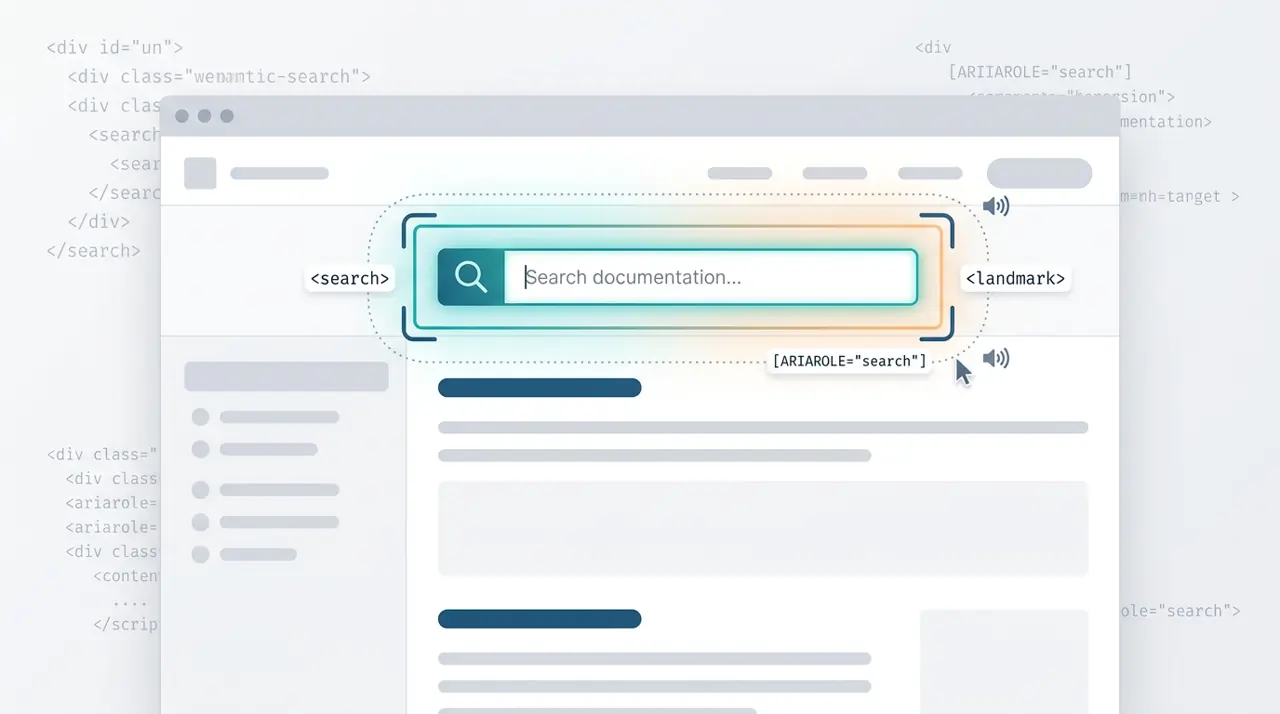
role='search' bolted onto a plain form is one more attribute developers reliably forget to add. The new <search> element makes that semantic landmark the default instead of an opt-in extra.

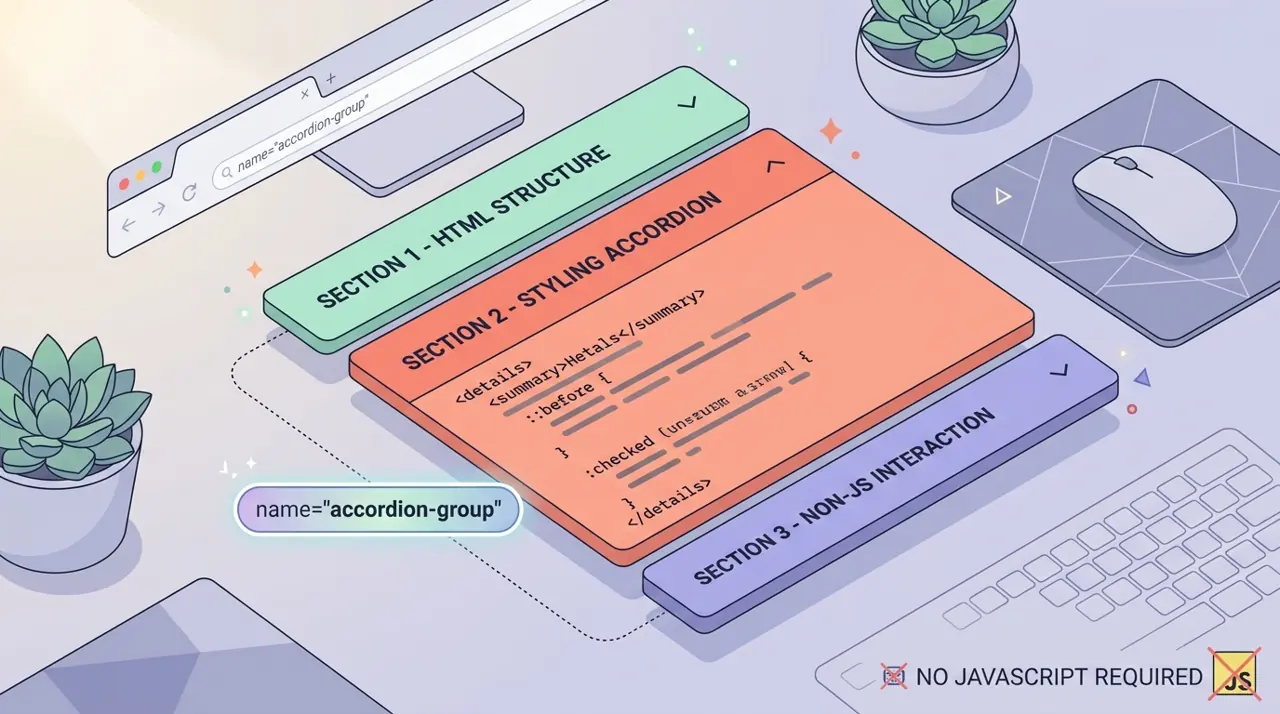
Accordions used to mean reaching for a JavaScript library just to track which panel was open. The details name attribute groups them like radio inputs, with zero click handlers required.

Radix, Headless UI, and jQuery UI exist largely to paper over a missing browser primitive that finally shipped. <dialog> plus showModal() replaces most of that plumbing natively now.

aria-hidden alone doesn't stop keyboard focus, and tabindex='-1' has to be applied recursively to every focusable child by hand. inert replaces that whole stack with one HTML attribute.

Most teams have alt text, heading order, and form labels covered by now. What actually causes support tickets and lawsuits in 2026 is dynamic behavior nobody thought to audit.

The Constraint Validation API has handled required and type checks natively since around 2010, yet most production forms still duplicate it in custom JavaScript.

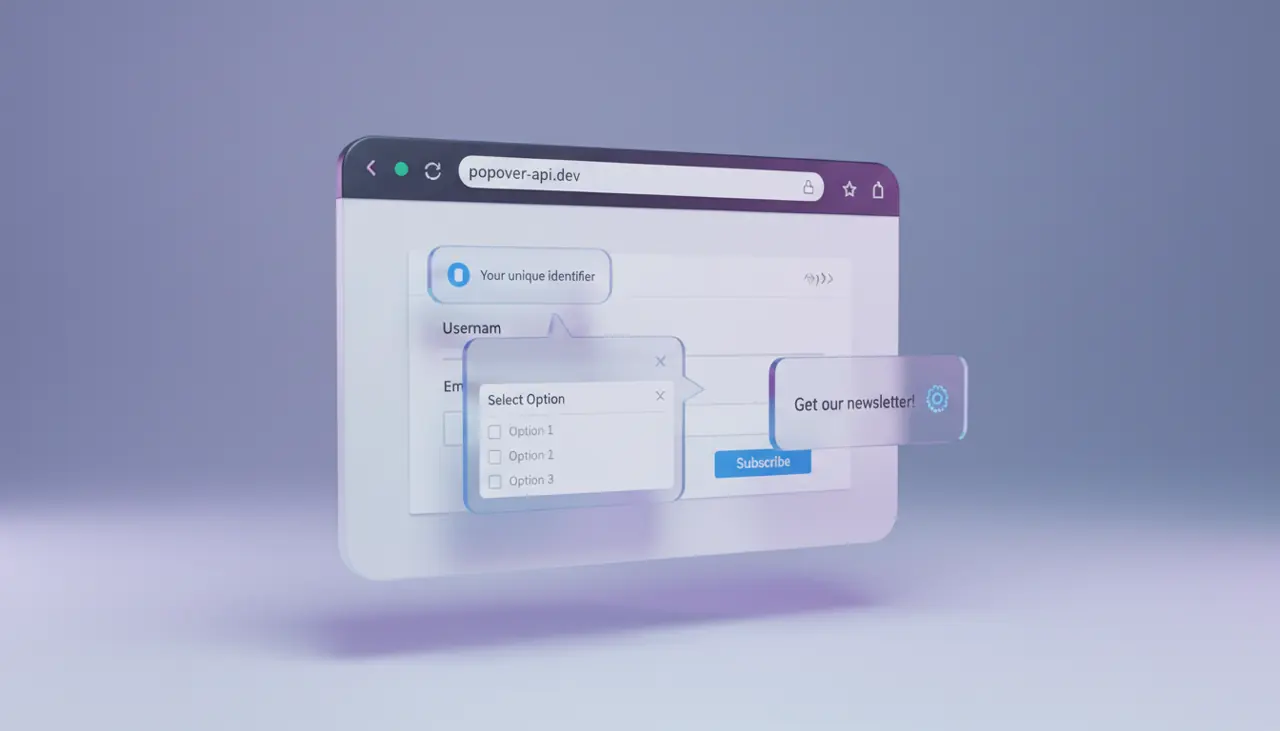
Popper.js and Floating UI existed largely to paper over a missing browser primitive. Here's what the popovertarget attribute replaces, and where you still need JavaScript.